What the Anion Gap Measures
The anion gap is a calculated value that assists clinicians evaluate the balance of charged particles in the blood. An Anion Gap Calculator relies on common electrolytes from a blood test to gauge whether there are extra unmeasured acids present. The standard calculation depends on sodium and chloride, and it often includes bicarbonate as part of the acid-base picture even though bicarbonate is not always in the direct formula.
At its core, the anion gap helps with acid-base analysis. A blood sample contains measured ions and unmeasured anions, such as proteins and organic acids. When the gap is elevated, it can suggest that acids are accumulating in the body. When it is normal, the main problem may be bicarbonate loss or a shift in chloride. This is why the anion gap is such a useful tool in laboratory result interpretation and clinical assessment.
The common anion gap calculation is:
Anion gap = Sodium - (Chloride + Bicarbonate)
Some clinicians apply a formula that also includes potassium, but the sodium-based version is the most common. The result is derived from a routine electrolyte panel or broader blood chemistry panel. Because the calculation reflects how sodium compares with chloride and bicarbonate, it gives a quick clue about whether an acid-base disorder may be present.
Why Low Bicarbonate Matters
HCO3 is one of the body’s main protective buffers. It aids neutralize acid and supports acid-base balance. When bicarbonate is low, it often signals that acid has risen, bicarbonate has been depleted, or the body is compensating for another problem. A low value on the lab report may appear as low serum CO2, because many labs report total CO2 as a proxy for bicarbonate.
Low bicarbonate is important because it often points to a metabolic acid buildup. In metabolic acidosis, the body has too much acid relative to base. This can happen from acid gain, bicarbonate loss, or impaired acid excretion. The degree of change and the anion gap result help narrow the differential diagnosis.
Low bicarbonate can also reflect the body’s adaptation to another primary issue. For example, respiratory problems may trigger compensatory hyperventilation, which changes carbon dioxide levels and affects the overall acid-base pattern. That is why the bicarbonate value should be reviewed alongside the full clinical picture rather than alone.
In practical terms, a low bicarbonate finding is not a final diagnosis. It is a sign that deeper diagnostic evaluation may be needed. The next step is often to determine whether the situation is a normal-gap metabolic acidosis or a anion gap metabolic acidosis.
Using an Anion Gap Calculator
An anion gap calculator simplifies the process of determining and interpreting the gap from lab values. To use it properly, you input the measured sodium, chloride, and bicarbonate values. The tool then runs the formula and provides a result that can be evaluated in context.
The usual workflow is clear:
- Obtain values from the electrolyte panel. Note the sodium, chloride, and bicarbonate measurements. Use the formula to calculate the anion gap. Consider whether albumin correction is needed. Interpret the result in the setting of symptoms and other labs.
The calculator is particularly useful when trying to calculate anion gap efficiently during metabolic acidosis evaluation. It helps guide the initial clinical assessment, but it does not replace medical judgment. A value that appears normal or abnormal may change meaning after considering the patient’s albumin level, kidney function, and acid-base status.
Albumin adjustment is important because albumin is a major unmeasured anion. If albumin is low, the measured anion gap may look falsely normal. A corrected anion gap can reveal hidden acid accumulation that would otherwise be missed. For that reason, many clinicians assess the calculator output together with protein status and the broader presentation.
Understanding a Low Bicarbonate Result
When bicarbonate is low, the main question is whether the body is suffering base loss or building up acid. The anion gap helps separate these causes. A low bicarbonate with a normal anion gap often indicates bicarbonate loss or renal acid-handling problems. A low bicarbonate with a high anion gap points to acid accumulation from a specific source.
A normal anion gap metabolic acidosis is also called hyperchloremic metabolic acidosis because chloride often rises as bicarbonate falls. This pattern can be seen when the body trades lost bicarbonate with chloride, keeping the total gap normal. In contrast, a high anion gap metabolic acidosis usually means there are extra acids in the blood that are not directly https://anion-gap-analyzer011.yousher.com/how-to-use-an-anion-gap-calculator-in-acid-base-interpretation measured in the standard panel.
Another central idea is respiratory compensation. If metabolic acidosis is present, the lungs may respond by increasing breathing rate and depth, lowering carbon dioxide. This compensatory change can be identified with an arterial blood gas or sometimes a venous blood gas, depending on the clinical setting. These tests help verify the primary disorder and assess whether compensation is appropriate.
Low bicarbonate should always be interpreted in context. A single lab value does not tell the whole story. The anion gap, blood gas results, symptoms, and associated abnormalities all contribute to the final interpretation of the acid-base disorder.
Frequent Causes for Decreased Bicarbonate by Anion Gap
The cause of low bicarbonate often depends on whether the anion gap is regular or high. That separation is one of the most practical parts of lab result interpretation and guides the next steps in the diagnostic workup.
In normal anion gap metabolic acidosis, common causes include diarrhea and renal tubular acidosis. Diarrhea often results in direct bicarbonate loss from the gastrointestinal tract. Renal tubular acidosis occurs when the kidneys cannot properly excrete acid or reclaim bicarbonate. In such cases, chloride often rises, which is why the pattern is sometimes called a chloride rise or hyperchloremic state.
Kidney disease can also contribute to low bicarbonate. When renal function declines, acid excretion becomes less efficient, leading to acid retention. Depending on the stage and associated findings, this may present as normal-gap or high-gap acidosis. Kidney impairment can also reduce the body’s ability to mount effective renal compensation.
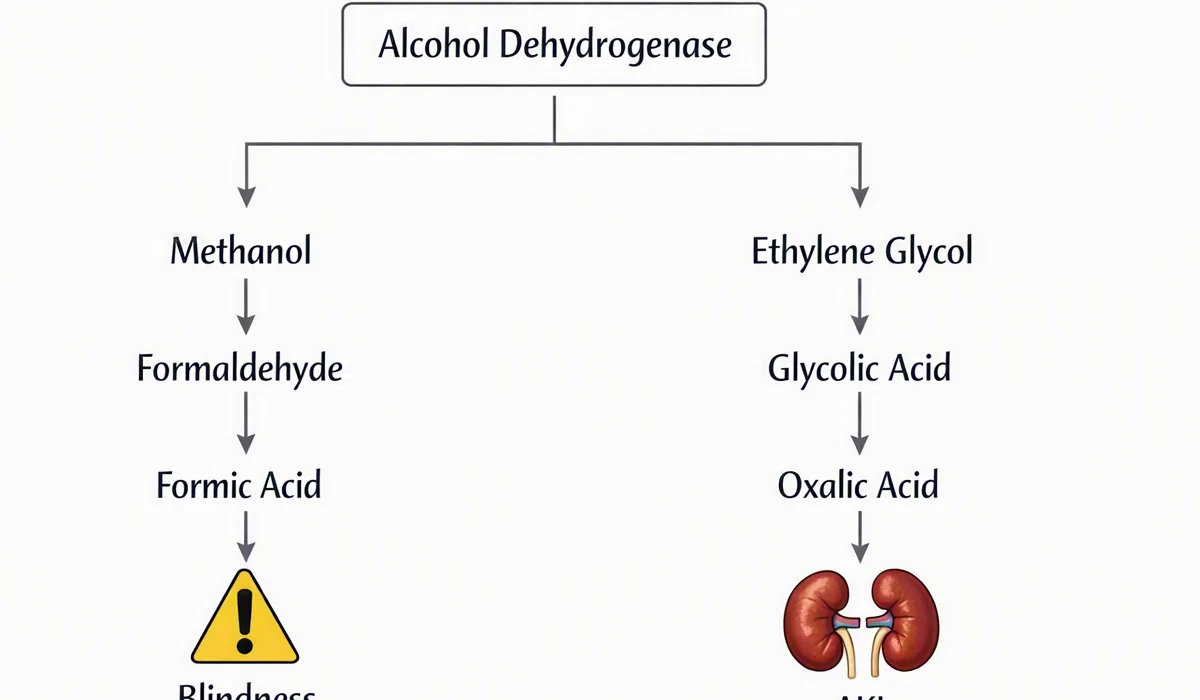
In high anion gap metabolic acidosis, the body is accumulating unmeasured acids. Important causes include lactic acidosis and ketoacidosis. Lactic acidosis occurs when there is excess lactate, often from poor oxygen delivery, severe illness, or tissue stress. Ketoacidosis involves increased ketone production, which can happen in diabetes, starvation, or alcohol-related states.
Since low bicarbonate can have many possible causes, the anion gap calculator should be treated as a sorting tool. It helps direct attention toward the most likely mechanism, whether that is bicarbonate loss, acid accumulation, or mixed processes. The full picture is essential for a correct differential diagnosis.
When Albumin levels Changes the Meaning
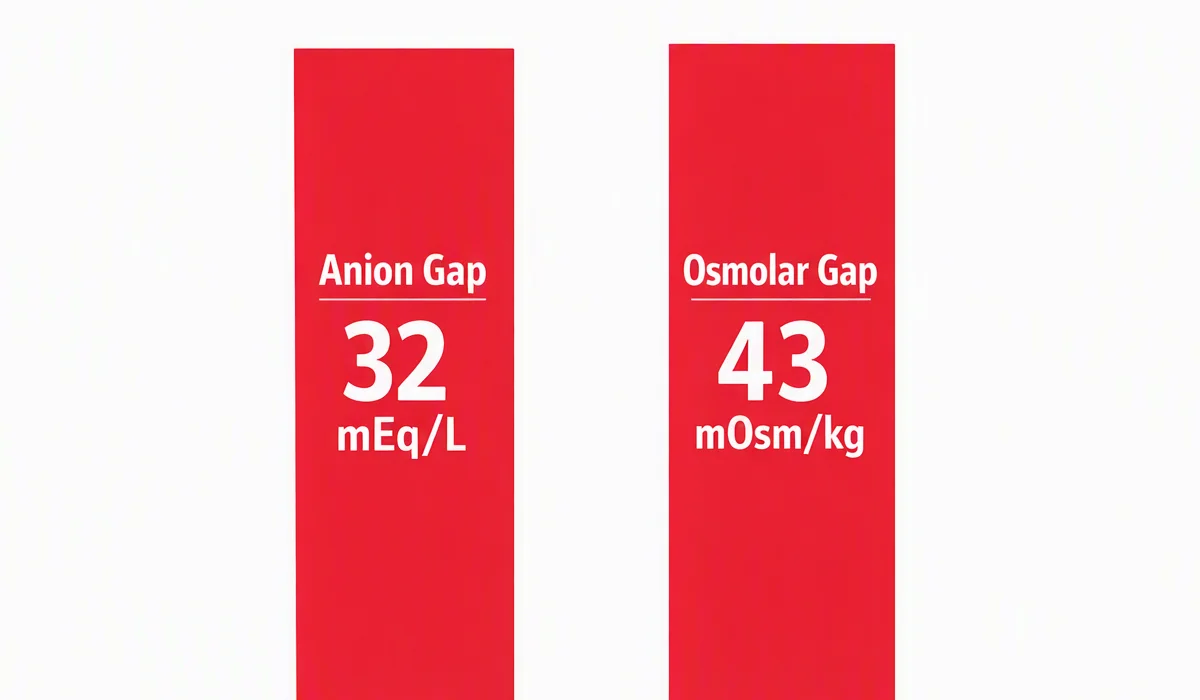
Albumin has a strong influence on the anion gap because it functions as an unmeasured anion. When albumin is low, the anion gap can look decreased than expected. This is why hypoalbuminemia can mask a significant gap acidosis. If the albumin is reduced, a practically normal result may need a corrected anion gap for proper interpretation.
This is a key point in albumin correction. Without adjustment, a low albumin level can cause a high-gap process look milder or even normal. In practice, the correction helps reveal hidden unmeasured anions that would otherwise be be missed during the clinical assessment.
Protein status is important as well. Low albumin can reflect malnutrition, inflammation, liver disease, or fluid overload, and these conditions may coexist with metabolic abnormalities. Because the protein status affects the baseline anion gap, it should always be considered when interpreting the calculator output.
For this reason, a careful review of albumin is part of responsible lab result interpretation. If the anion gap appears unexpectedly normal in a patient with low bicarbonate, checking albumin can change the conclusion significantly. A corrected value may point toward a high-gap process such as lactic acidosis or ketoacidosis even when the raw number does not.
What Additional Tests Help Verify the Problem
This anion gap calculator is just one step in the evaluation. Additional tests support the diagnosis of the diagnosis and determine the underlying cause of the acid-base disorder. A blood gas is often useful because it assesses pH, carbon dioxide, and bicarbonate directly or indirectly, allowing a more complete acid-base interpretation.
An arterial blood gas is often used when accurate acid-base data are needed, especially if the patient is unstable or has significant respiratory symptoms. A venous blood gas may be acceptable in many situations and can still give valuable information about pH and ventilation. Either test can help determine whether low bicarbonate is part of a primary metabolic problem or a mixed disorder.
Other key labs include lactate, which helps detect lactic acidosis, and creatinine, which helps measure kidney function. A rising creatinine supports the possibility of kidney disease contributing to acid retention or impaired excretion. Glucose is also relevant, especially when considering ketoacidosis or diabetes-related metabolic changes.
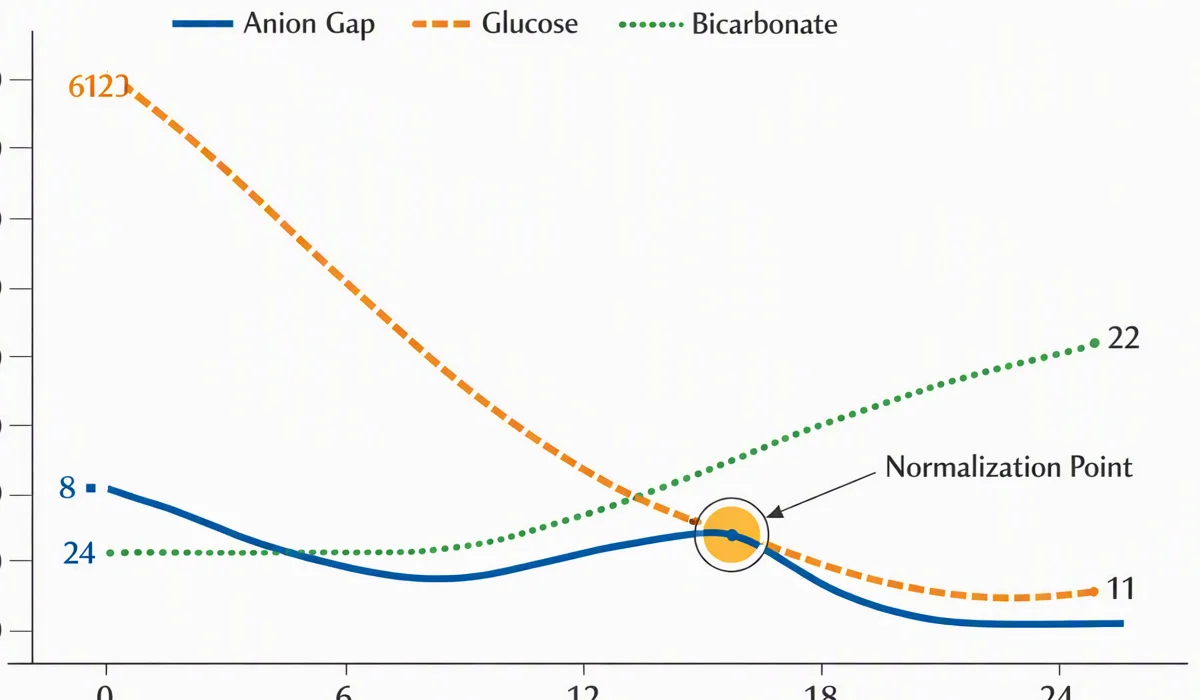
These studies fit into a broader metabolic acidosis evaluation. They help differentiate the common causes of low bicarbonate and identify whether urgent treatment is needed. Together with sodium, chloride, potassium, albumin, and bicarbonate, they form a more complete clinical picture than any single lab value alone.
Red Flags That Need Urgent Medical Review
Low bicarbonate is not necessarily an emergency, but some patterns require urgent attention. Signs of serious acidosis can include fast breathing, significant weakness, worsening mental status, or signs of shock. These findings suggest the body may be failing to maintain acid-base balance and may need urgent treatment.
Breathlessness is an important warning sign, especially when it occurs with compensatory hyperventilation or severe metabolic disturbance. The presence of confusion, drowsiness, or inability to think clearly can indicate a serious acid-base or metabolic problem. These symptoms should not be ignored.
An associated electrolyte disturbance also increases risk. Abnormal sodium, chloride, or potassium levels can worsen the situation and affect heart and muscle function. Since the anion gap and bicarbonate are only part of the picture, symptoms and associated lab abnormalities determine how urgent the situation is.
If low bicarbonate appears with a high anion gap, elevated lactate, suspected ketoacidosis, or significant kidney dysfunction, urgent medical review is appropriate. The same is true if the person is visibly ill, dehydrated, or having trouble breathing. These patterns may reflect a dangerous metabolic acidosis that needs immediate evaluation.
FAQ About Anion Gap and Low Bicarbonate
What does a low bicarbonate level mean on an anion gap calculator?
A low bicarbonate level on an anion gap calculator usually suggests an acid-base problem, most often metabolic acidosis. The anion gap helps determine whether the cause is more likely bicarbonate loss, such as diarrhea or renal tubular acidosis, or acid accumulation, such as lactic acidosis or ketoacidosis. The result should always be interpreted with the rest of the lab values and symptoms.
How do you calculate the anion gap when bicarbonate is low?
You use the standard anion gap formula: sodium minus the sum of chloride and bicarbonate. Even when bicarbonate is low, the same formula applies. The low bicarbonate value is part of the calculation and helps reveal whether there are extra unmeasured anions or whether the pattern fits a normal-gap process.
What causes low bicarbonate with a normal anion gap?
Low bicarbonate with a metabolic acidosis with a normal anion gap is commonly caused by intestinal losses, tubular kidney acidosis, or some forms of kidney disease. In these cases, the body loses bicarbonate or fails to handle acid properly, and chloride often increases to balance the charge. This pattern is different from high-gap acidosis because it typically does not show accumulation of unmeasured acids.
May low albumin affect the anion gap result?
Yes. Low albumin can decrease the measured anion gap and mask a clinically important abnormality. That is why a adjusted anion gap may be needed when albumin is low. Albumin correction can reveal hidden acid accumulation and enhance the accuracy of test interpretation.
When should low bicarbonate and an abnormal anion gap be evaluated urgently?
Immediate evaluation is needed if low bicarbonate and an abnormal anion gap occur with severe acidosis, shortness of breath, confusion, or a major electrolyte imbalance. It is also urgent if there is concern for lactic acidosis, ketoacidosis, or serious kidney disease. These findings may indicate a serious acid-base problem that needs immediate medical care.