What Is the Anion Gap?
The anion gap is a derived value used to help read electrolytes in a serum chemistry panel. It is not measured directly; instead of that, it is calculated from key blood chemistry numbers such as sodium, chloride, and bicarbonate. Clinicians rely on it as a diagnostic clue when assessing acid-base balance, especially when a metabolic disorder may be present.
In plain language, the anion gap reflects the difference between the major positively charged particles and the major negatively charged particles reported on routine labs. Because sodium is the main measured cation and chloride and bicarbonate are the main measured anions, shifts in these values can change the calculated result. That is why chloride is so significant in clinical interpretation.
The anion gap is often used to identify whether there are unmeasured acids in the blood. A change in chloride can make the result look higher or lower even when the underlying cause is elsewhere. Understanding this relationship helps explain why a lab value may be an abnormal result without being a diagnosis.
In What Way Chloride Works In the Anion Gap Formula
The standard anion gap formula can be written as:
Anion gap = sodium - (chloride + bicarbonate)
That highlights the function of chloride very direct. When chloride goes up while sodium and bicarbonate remain unchanged, the calculated anion gap falls. When chloride falls, the calculated anion gap rises. Put differently, chloride is one of the key factors of the number you see on the screen when using an anion gap calculator.
Because bicarbonate is also part of the formula, a change in either chloride or bicarbonate can affect the final value. This is why, a single lab result should always be interpreted in the context of the full blood chemistry pattern, not in isolation. The result is a calculated value, not a direct measurement of a hidden toxin or acid.
For many people, the most useful way to think about the formula is that sodium tends to set the number, while chloride and serum bicarbonate shift it higher or lower. When chloride increases, the gap shrinks. When chloride decreases, the gap widens. That simple relationship is central to acid-base balance.
Why Chloride Can Change When the Anion Gap Changes
Chloride does not always move independently. The body often modulates chloride to maintain electrical neutrality and maintain acid-base balance. That means the pattern may reflect compensation rather than a primary problem with chloride itself.
Hyperchloremia means a increased chloride level. It often occurs when bicarbonate falls, because chloride may rise to offset the loss of negative charge. This pattern is often seen in metabolic acidosis, especially when the body is losing bicarbonate through the intestines or kidneys.
Hypochloremia means a decreased chloride level. This can occur when bicarbonate is relatively high, which is more consistent with metabolic alkalosis. In that setting, the body may preserve bicarbonate or shed acid, and chloride often decreases as part of the overall pattern.
These shifts are important because they help show why chloride is not just a background number. It often serves as a marker of the body’s response to a metabolic disorder. The chloride shift can be a helpful clue for identifying whether the issue is more likely acid retention, base loss, volume depletion, or a combination of factors.
Understanding What a High Anion Gap Means for Chloride Values
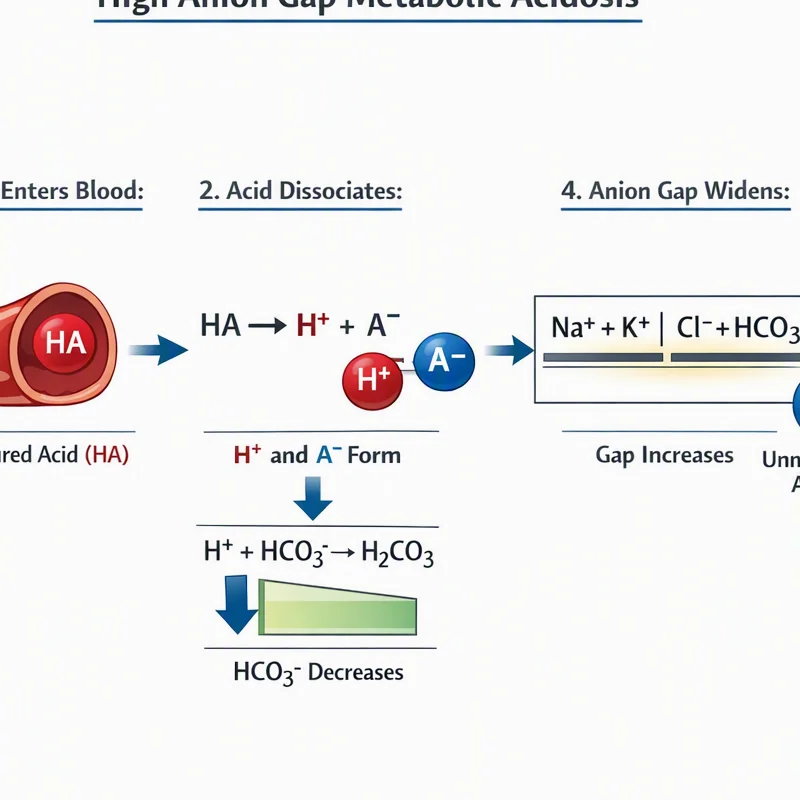
A high anion gap usually suggests that hidden acids are present in the blood. Often, chloride is not the primary cause of the elevated gap, but it can still help reveal the pattern. The key idea is that when the body builds up acids, bicarbonate is often used up, and chloride may not rise enough to offset the change.
Common causes of a https://anion-gap-reference252.scriblorax.com/posts/anion-gap-calculator-for-medical-center-lab-analysis high anion gap include lactic acidosis, ketoacidosis, and renal failure. In lactic acidosis, lactic acid builds up during poor oxygen delivery or severe illness. In ketoacidosis, ketones accumulate when the body burns fat as a major fuel source. In renal failure, the kidneys cannot remove acids effectively, so the blood becomes more acidic.
These conditions can create distinct lab values. For example, bicarbonate may be low, sodium may be relatively stable, and chloride may be unchanged or only mildly changed. The important point is that a high anion gap often shows that the acid-base balance is being disrupted by acids other than chloride. This is why chloride is part of the pattern but not the sole explanation.
When reviewing a high anion gap, it helps to evaluate the whole blood chemistry profile. A clinician may compare sodium, chloride, bicarbonate, albumin, and kidney function together. That broader view can separate a simple electrolyte imbalance from a more serious systemic illness.
How a Reduced Anion Gap May Mean for Chloride Levels
A low anion gap is uncommon, but it can be significant. One frequent reason is hypoalbuminemia, because albumin is an major unmeasured negatively charged protein. When albumin declines, the calculated gap may also decrease, even if chloride is normal.
Another possibility is lab error. Because the anion gap is a calculated value, any small issue in the measured components can skew the final result. A specimen problem, contamination, or analytic variation can produce an unexpectedly low number that does not reflect the patient’s true physiology.
Paraproteinemia is an additional important cause. In some blood disorders, abnormal proteins change the charge balance in the serum, which can lower the calculated gap. This pattern can be a valuable clue during clinical interpretation, especially when other lab values also look unusual.
Chloride may be normal, low, or sometimes relatively high in low-gap states depending on the cause. The main point is that a low anion gap does not automatically mean chloride is the problem. It may instead indicate protein levels, measurement issues, or other blood chemistry changes.
How to Operate an Anion Gap Calculator Properly
An anion gap calculator is useful for a quick check, but it works best when the input values come from the same serum chemistry panel. Using values from different draws or different time points can cause misleading conclusions. A thorough user should confirm that sodium, chloride, and bicarbonate are within the same lab set.
It is also important to know the lab’s reference range, because the normal range can differ by method and analyzer. Some labs follow a slightly different formula or report a different range depending on whether potassium is included. That means one lab’s normal range may not correspond to another’s exactly.
If albumin is low, think about an albumin correction. Since albumin affects the charge balance, the corrected anion gap may better reflect the true acid-base picture. This matters when looking for an occult metabolic acidosis or when the uncorrected value seems less impressive than the clinical picture suggests.
Using the calculator well means viewing it as one part of lab interpretation. The result is a calculated value that should be reviewed alongside serum chloride, serum bicarbonate, albumin, and the overall clinical context. The calculator gives a starting point, not a final diagnosis.
Frequent Reasons of Abnormal Chloride and Anion Gap Results
Various common clinical scenarios can change both chloride and the anion gap. Dehydration can compress blood components and affect lab values, sometimes modifying chloride and sodium together. In relation to the overall state of volume loss, the numbers may look subtly or dramatically different.
Nausea and vomiting often causes loss of gastric acid and can lead to hypochloremia and metabolic alkalosis. In this pattern, bicarbonate may be relatively elevated, chloride may be lower, and the anion gap may be normal or only slightly changed. The lab pattern can be a useful diagnostic clue for the source of the acid-base disturbance.
Frequent bowel movements often causes bicarbonate loss from the gastrointestinal tract. This can produce a nonanion-gap metabolic acidosis with hyperchloremia, because chloride goes up as bicarbonate falls. In this usual pattern, the chloride increase helps explain why the anion gap does not rise much even though the patient is acidotic.
Saline infusion can also affect the pattern. Large amounts of normal saline may raise chloride and reduce bicarbonate, leading to hyperchloremic metabolic acidosis and a smaller anion gap. This is a clear example of how treatment itself can change blood chemistry and influence clinical interpretation.
These situations show why the anion gap and chloride must be reviewed together rather than separately. One lab may point toward volume loss, gastrointestinal loss, fluid administration, or an underlying metabolic disorder. The pattern matters as much as the number.
When to Seek a Clinician for Interpretation
Any acid-base disorder needs to be reviewed by a clinician, especially if symptoms are present or more than one lab abnormality is seen at once. An isolated abnormal value may not be urgent, but a pattern involving sodium, chloride, bicarbonate, and albumin can suggest a more complex problem.
A clinician may order or interpret an arterial blood gas when the situation is hard to assess. This test helps assess pH, carbon dioxide, and oxygen status, which can clarify whether the abnormal chemistry panel reflects true acidosis or alkalosis. It can also help distinguish compensation from primary disease.
People with known kidney disease should monitor these numbers, since kidney function strongly affects acid removal and electrolyte balance. Impaired kidney function can produce a rising high anion gap, especially when acid clearance declines. The same is true in advanced illness where the metabolic state is unstable.
It is wise to ask for interpretation when there is persistent electrolyte imbalance, symptoms such as confusion or weakness, or a result that does not fit the clinical picture. Lab values are most useful when interpreted as part of the whole story, including medications, hydration status, and recent illness.
FAQs About the Anion Gap and Chloride
How are chloride and anion gap related?
They are directly related through the anion gap formula. Because chloride is subtracted along with bicarbonate from sodium, a higher chloride level usually reduces the anion gap, while a lower chloride level can raise it. This relationship makes chloride a key part of acid-base balance and blood chemistry interpretation.
Does a high chloride level mean a low anion gap?
In many cases, yes, but not always by itself. A high chloride level, or hyperchloremia, tends to lower the calculated gap because chloride is one of the values in the formula. However, the final result also depends on sodium, bicarbonate, albumin, and whether there is a larger metabolic disorder affecting the blood chemistry.
Can the anion gap be normal when chloride is abnormal?
Absolutely. A normal anion gap can still occur even if chloride is abnormal, notably when bicarbonate changes in the opposite direction or when the body is compensating for another problem. For that reason lab interpretation should look at the overall picture rather than focusing on a one chloride level or a single calculated value.
Why does low albumin affect the anion gap?
Low albumin lowers the anion gap because albumin is an major unmeasured negatively charged protein. When albumin falls, the calculated gap may decrease even if the true acid-base state is different. That is why a corrected anion gap can be helpful when hypoalbuminemia is present.
Should I use an anion gap calculator with corrected albumin?
Yes, when albumin is low or when the clinical picture suggests the uncorrected result may be misleading. An albumin correction can give a more accurate estimate of the acid-base situation, notably when evaluating metabolic acidosis or other systemic illness. A calculator is most helpful when paired with the serum chemistry panel and professional clinical interpretation.